




Enchanted Tree of Lights Embroidery — Hand Embroidery Pattern
Choose your vibe
Tools & materials
No complicated setup—just a few embroidery staples:
- Embroidery needles, scissors, and a transfer method
- Cotton or linen fabric (tightly woven works well)
- Optional: light source for tracing or stabilizer for extra support
- 6‑strand embroidery floss (DMC or equivalent)
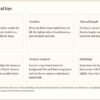
Enchanted Tree of Lights Embroidery can lean in different directions depending on how you stitch it:
- Keep it classic: follow the suggested DMC palette and traditional stitches.
- Go modern: simplify the colors and let clean outlines lead.
- Make it textured: mix strand counts and add raised stitches where you want dimension.
Some designs feel like a pause button for your day. Enchanted Tree of Lights Embroidery is made for that kind of stitching—relaxing, satisfying, and easy to personalize.
What you’ll receive
The download is practical: clear pages, helpful references, and multiple hoop sizes.
- Printable pattern pages you can size for 3″ to 8″ hoops
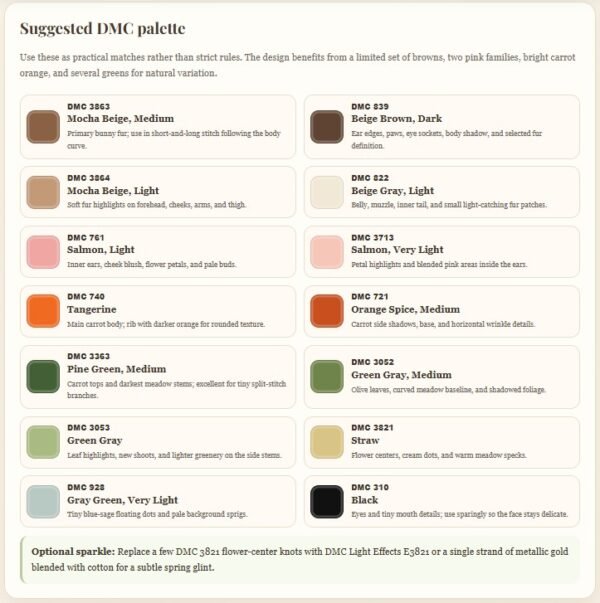
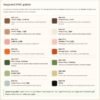
- A DMC color guide to help you choose floss shades quickly
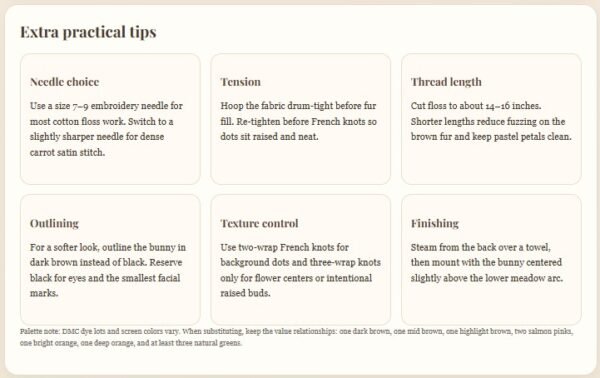
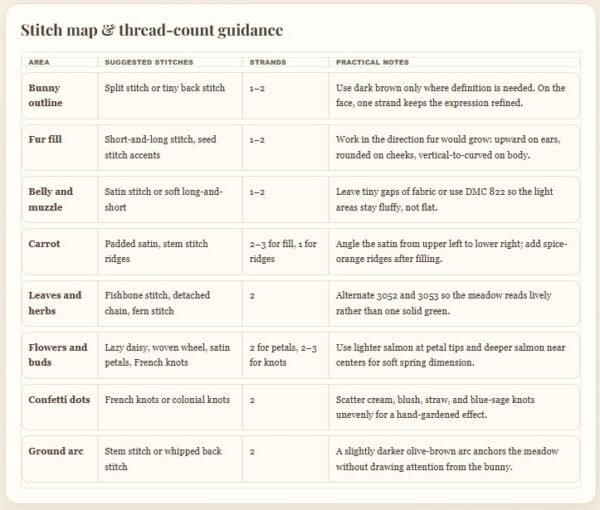
- Stitch suggestions and placement notes to keep the process smooth
- A beginner-friendly hand embroidery guide (plus a small sample pattern)
- A reference photo of the finished piece so you can compare as you stitch
Ways to switch it up
- Switch the color palette to match your space—pastels, jewel tones, or neutrals all work.
- Vary strand count: thicker for bold texture, fewer strands for delicate shading.
- Add a tiny initial or date near the edge to make it giftable.
- Use tinted fabric to change the mood without changing thread colors.
The pattern gives you the roadmap; you decide how Enchanted Tree of Lights Embroidery looks when it’s finished.
Display & gifting
- Use it as a practice piece for new stitches before a bigger project
- Stitch it onto a fabric panel for a tote, pillow front, or pouch
- Frame it in the hoop and hang it as easy wall decor
- Keep a few hoops ready and rotate designs seasonally
- Gift it as a handmade keepsake (add initials or a date)
About the design
This pattern leans into modern embroidery without feeling rigid. The linework is clear, and your stitch choices can change the whole vibe of the finished hoop.
There’s a mix of repeating elements and small details, so it stays engaging without becoming overwhelming.
Where it looks great
- Stitch it onto a fabric panel for a tote, pillow front, or pouch
- Frame it in the hoop and hang it as easy wall decor
- Use it as a practice piece for new stitches before a bigger project
- Keep a few hoops ready and rotate designs seasonally
- Gift it as a handmade keepsake (add initials or a date)
From PDF to fabric
A clean transfer makes stitching calmer. Here’s one way to do it:
- Print at 100% (no scaling) and choose your hoop size
- Transfer the lines to fabric using your preferred method
- Hoop the fabric with even tension
- Stitch outlines first, then fills/textures, then tiny details
- Finish the back neatly and display in the hoop or frame
Before purchasing: This listing is for a digital embroidery pattern PDF. Your files are delivered as a download—no physical item will be mailed. Print as many times as you need for personal use and keep the file stored for later projects.
n
Benefits
- Beginner guide included for a smoother first project
- Easy to personalize with color swaps, initials, or small accents
- Hoop-ready pattern pages sized for 3″–8″ frames
- Works beautifully as embroidery hoop wall decor or a handmade gift
- DMC color guidance to speed up floss picking
- Reference photo to help you check proportion and placement
n
FAQs
- What hoop sizes can I use?
The pattern is provided so you can print it for hoops from 3″ to 8″. - When do I get the download?
Immediately after checkout. You’ll be able to download the PDF files from your order page or email. - Is it suitable for beginners?
Yes—these patterns are written to be beginner-friendly, with guidance included. If you’re newer, start with the smaller hoop size and stitch at your own pace. - How do I transfer the pattern onto fabric?
Common methods include tracing with a light source, using transfer paper, or marking with a water‑soluble pen. Use the approach you’re most comfortable with.


Reviews
There are no reviews yet.