How to get embroidery off – A Step-by-Step Guide

What this means (and why it gets annoying fast)
Okay, let’s talk about how to get embroidery off without making it a whole dramatic event. The goal is simple: keep your fabric happy, keep your stitches neat, and avoid that fuzzy thread snowball situation.
Think of this as your how to get embroidery off tips that doesn’t assume you were born holding an embroidery hoop. We’ll go step-by-step, call out the common mistakes, and I’ll point out when to slow down so you don’t stretch needle holes or fray floss strands.
Want something pretty to stitch once you’ve got the basics down? Shiba Inu Blossom Portrait Embroidery Art | Hand Embroidery Pattern PDF is a solid next project.
- How to prep your fabric so it doesn’t fight you
- How to avoid puckering, fraying, and messy backs
- Which tools make the job easier (and which ones are optional)
- Quick fixes when things go sideways
- A step-by-step process you can repeat on any project
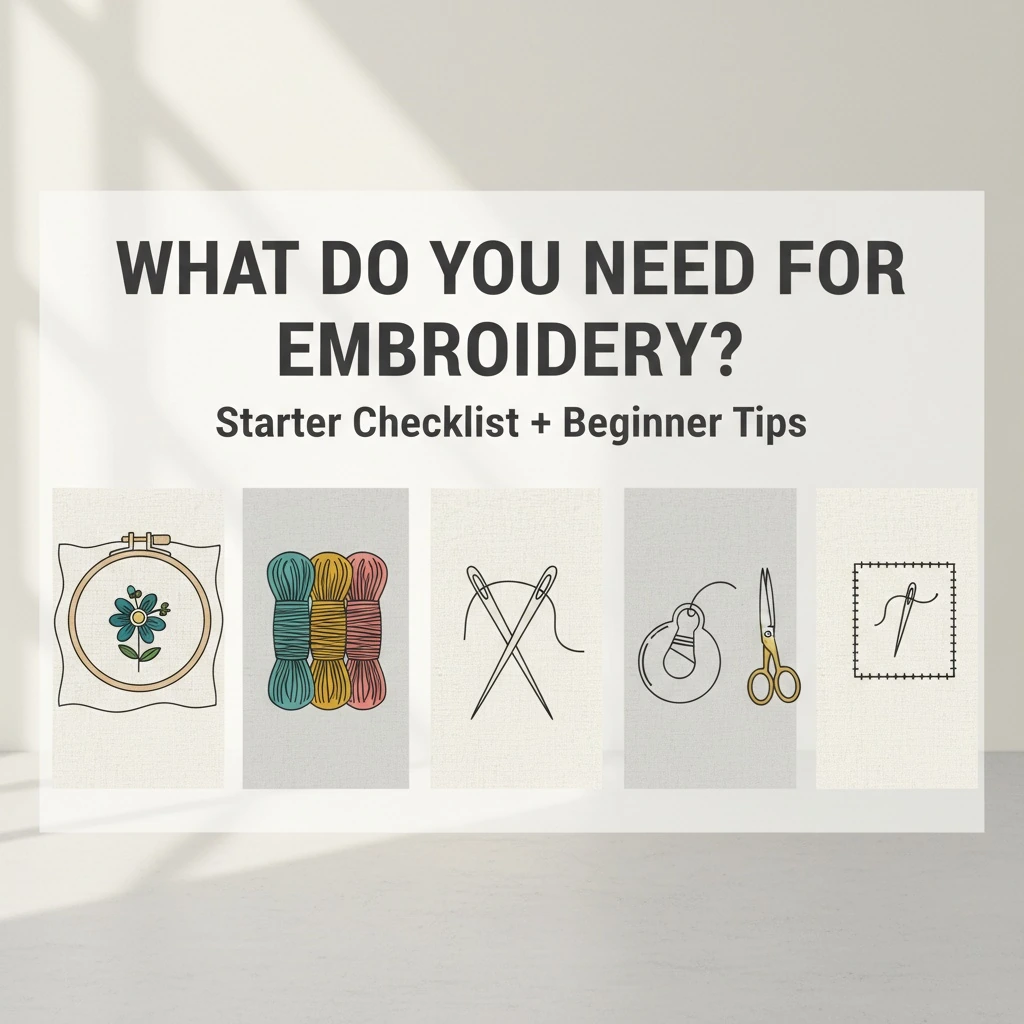
Tools + materials you’ll want nearby
Let’s set you up for success. Having the right tools on the table makes everything feel 10x less annoying. Quick plug for sanity: washable fabric marking pens makes layout and alignment so much easier.

- Embroidery scissors (sharp enough to actually cut, not just bully the thread)
- Seam ripper (for clean undo work—no stabbing required)
- Tweezers (great for grabbing tiny thread tails)
- Needle threader (because eyes get tired)
- Embroidery hoop (stability = fewer stretched needle holes)
- Stabilizer (especially for knits or machine work)
- Thread conditioner (optional, but nice for smooth floss strands)
If you’re doing machine embroidery, also keep an eye on machine settings/tension—tiny tweaks can change everything.
How to get embroidery off: step-by-step
Alright—here’s the repeatable process. Once you do it once, you’ll basically be able to do it in autopilot.

- Get clear on your goal and your materials first: fabric type, thread types, and whether this is hand or machine embroidery.
- Do a tiny test on scrap fabric. It’s the easiest way to avoid surprises (and it saves your main piece).
- Set up your workspace: good light, a comfy chair, and tools within reach. Your neck will thank you later.
- Work in small sections and keep your tension even. Too tight can distort fabric fibers; too loose can look messy.
- Pause often to check the front and the back. Catching an issue early beats fixing it after 200 stitches.
- If something looks wrong, undo a few stitches and reset. A seam ripper and tweezers are your best “oops” team.
- Finish by cleaning up thread tails, pressing the piece from the back, and giving it a final once-over for neatness.
Finish strong: trim cleanly, smooth the fabric, and don’t forget to remove stabilizer the right way (slowly, not violently).
Troubleshooting + common mistakes
Embroidery has a few predictable ways it can get cranky. Let’s troubleshoot without spiraling.
- Fraying floss strands: shorten your thread length and consider a tiny bit of thread conditioner.
- Visible needle holes: use a smaller needle size and avoid pulling stitches too tight.
- Fabric puckering: loosen tension, use a hoop, and add stabilizer on stretchy fabrics.
- Messy back: secure thread tails and avoid long jumps—park the needle and re-enter nearby.
- Stitches look uneven: slow down and use consistent stitch lengths (a quick guideline mark helps).
Tiny adjustments beat big dramatic changes. Change one thing, test, then decide.
You might also like: Shiba Inu Blossom Portrait Embroidery Art | Hand Embroidery Pattern PDF
Fabric, thread types, and when to avoid the “just force it” method
Quick reality check: the same technique can look perfect on cotton and chaotic on a stretchy knit. Fabric matters.
Denim and canvas are tough, but they can be hard on needles—use the right needle sizes and don’t force it.
If you’re collecting future projects, hand embroidery patterns is worth a scroll.
- Cotton/linen: beginner-friendly and shows stitches nicely
- Knits: use stabilizer and avoid pulling tight
- Thick fabrics: choose a sturdy needle and go slower
Bottom line: match your method to your fabric, and you’ll avoid 90% of the headaches.
Final thoughts on how to get embroidery off
If you remember one thing about how to get embroidery off, let it be this: small, careful moves beat fast, messy ones. Your fabric fibers (and your future self) will be way happier.
You don’t need “perfect hands.” You just need a repeatable process and a little practice.
You might also like: Marking Pens for Sewing and Quilting • DMC step-by-step embroidery stitch guide
FAQ
FAQ time—because you’re not the only one wondering these:
Is how to get embroidery off beginner-friendly?
Good light, sharp tools, and patience beat “natural talent” every single time. For machine work, recheck needle size, bobbin thread, and machine settings/tension.
What tools do I need for how to get embroidery off?
Start simple, test on scrap fabric, and change one thing at a time. If you’re unsure, ask a local shop or a more experienced stitcher for a quick second opinion.
How long does how to get embroidery off usually take?
If it feels fiddly, that’s normal—your hands learn faster than your brain. Keep your floss strands smooth (a tiny bit of thread conditioner helps).
What fabric works best for how to get embroidery off?
Start simple, test on scrap fabric, and change one thing at a time. If you’re unsure, ask a local shop or a more experienced stitcher for a quick second opinion.
How do I fix mistakes while doing how to get embroidery off?
Good light, sharp tools, and patience beat “natural talent” every single time. If you’re unsure, ask a local shop or a more experienced stitcher for a quick second opinion.
Can I do how to get embroidery off with both hand and machine embroidery?
If it feels fiddly, that’s normal—your hands learn faster than your brain. If you’re unsure, ask a local shop or a more experienced stitcher for a quick second opinion.
Key Takeaways
Pin this list in your brain for later:
- Trim cleanly with embroidery scissors (not kitchen scissors)
- Match needle size to thread so needle holes don’t get huge
- Keep tension even—no yanking, no slack spaghetti
- Support the fabric with a hoop so stitches stay neat
- When it’s messy, undo a few stitches and reset calmly
- Use stabilizer on stretchy or tricky fabrics
- Test on scrap fabric before doing the real thing